
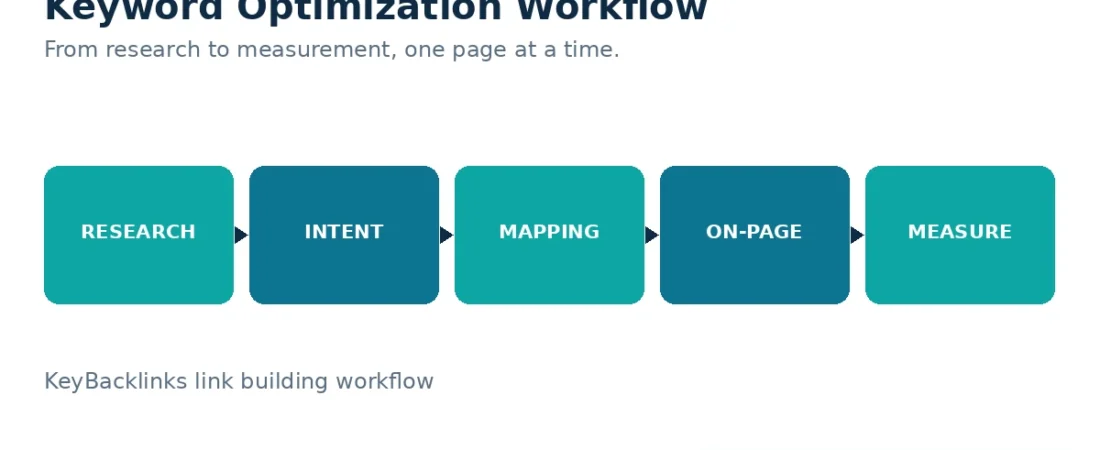
Keyword optimization is the practice of shaping a page around the words and phrases people type into Google. You research the terms first, choose one clear target, and place it where search engines and readers look hardest. Done well, it helps Google understand your page and helps visitors find the right answer sooner.
However, keyword optimization is not a trick you add after the writing is done. Instead, it guides every choice on the page, from research to the final results check. This guide walks through the process in order.
What Keyword Optimization Means
At its core, keyword optimization means aligning one page with one search topic. Each page answers a specific question or serves a specific need. Therefore, the wording on the page should mirror the wording searchers already use for that need.
The work has two sides. First, you make the topic obvious to Google through titles, headings, and clear structure. Next, you make the page genuinely useful to the person who lands on it.
Start With Keyword Research and Search Intent
Good keyword optimization starts with simple research. List the phrases your customers use when they describe the problem you solve. Then check each phrase in Google and study the pages that already rank for it.
Above all, judge the intent behind the phrase before you write a word. Intent tells you what the searcher wants to happen next. A page that matches that intent fits the results, while a mismatched page struggles even with perfect wording.
Match the Page to the Search Intent
Search intent usually falls into three groups. Informational searches seek an answer, a guide, or an explanation. Commercial searches compare options before a decision, such as reviews and best-of lists. Transactional searches aim to buy, book, or request a service right away.
So read the current results for your phrase and note the page types you see. If guides dominate, write a guide. If service pages dominate, build a service page instead. The results reveal the intent more honestly than any guess.
Primary, Secondary and Semantic Keywords
Each page needs one primary keyword. That phrase states the main topic, and it belongs in the title, the headings, and the opening lines. One target per page keeps the message sharp for readers and for Google.
Secondary keywords support the primary one. They cover close variations that real people also type, such as plural forms, word order changes, and common synonyms. Semantic terms go one step wider and name the related ideas a complete answer should cover.
For example, a plumber writing about boiler repairs might target “boiler repair cost” as the primary phrase. Supporting terms could include “boiler service price”, “fix a broken boiler”, and “heating engineer”.
Keyword Mapping: One Target Per Page
Keyword mapping turns your research into a simple plan. You assign each primary keyword to one page on your site, and you record the intent and supporting terms beside it. This small map prevents two pages from chasing the same phrase and splitting your strength.
The table below shows a simple example for a small bakery website. It uses invented example pages only, so treat it as a template for your own plan.
Notice how each row owns a distinct topic. No two rows compete, and each page knows exactly which searcher it serves. Update the map whenever you add a page, so the plan stays clean as the site grows.
Optimize Titles, Meta Descriptions and Headings
Your title tag carries the most weight, so place the primary keyword near its start. Keep the title clear and honest, and write it for a person scanning the results.
Next, write a meta description that sells the click truthfully. Sum up the benefit, name the audience, and invite the reader in.
Headings then structure the page for both scanners and search engines. Use one clear heading flow, put the primary keyword in one or two subheadings, and let the rest describe their sections plainly. Google explains these basics in its SEO Starter Guide.
Place Keywords Naturally in Your Content
Placement matters, but rhythm matters more. Include the primary keyword in the first paragraph, in a subheading or two, and at natural points through the body. Also work it into image alt text where the image truly shows the topic.
Then read the page aloud. Natural writing repeats the main phrase sometimes and uses pronouns and synonyms the rest of the time. If a sentence sounds forced, rewrite it until it sounds like speech.
Density targets mislead many writers. No fixed percentage guarantees anything, because context decides what sounds natural. In short, write for the reader first and check the keyword balance afterward.
Cover the Topic, Not Just the Keyword
Modern search rewards complete answers. Google now understands topics, entities, and relationships between ideas, so one repeated phrase no longer proves relevance. Keyword optimization today means depth, not repetition.
So list the subtopics a searcher would expect before you draft. For a cost guide, those subtopics include price factors, examples, and ways to save. Cover each one in its own short section, and your page naturally gathers the semantic terms that signal depth.
This approach also protects you from thin content.
Avoid Keyword Stuffing
Keyword stuffing means repeating a phrase so often that the text stops serving the reader. Old tactics stuffed footers, hid white text on white backgrounds, and repeated city names in long lists. Google treats these tricks as spam, and its spam policies name keyword stuffing directly as a violation.
The penalty risk is real, yet the reader cost arrives first. Stuffed pages read badly, so visitors leave quickly and rarely convert. Honest placement avoids both problems at once.
A simple test catches most stuffing. Highlight every use of the primary phrase and read those sentences back. If several sit close together and add nothing new, cut or rewrite them.
Improve Existing Pages With Keyword Optimization
Most sites gain more from fixing old pages than from publishing endless new ones. Start with pages that already win impressions in Search Console but sit below the top spots. Small gains there reach real searchers at once.
First, check for cannibalisation, where two pages target the same phrase and split the clicks. Merge the weaker page into the stronger one, or retarget one page to a distinct phrase. Then refresh the survivor with clearer headings, updated facts, and the supporting terms it missed.
Also strengthen the page from inside your own site. Links from related articles tell Google which page owns the topic, and they guide readers to the best answer. Our internal linking strategy guide shows how to plan those links step by step.
Measure Results in Google Search Console
You cannot judge keyword optimization without real data, so measure every change in Google Search Console. The Performance report shows clicks, impressions, average CTR, and average position for each page and query. Compare the weeks after a change with the weeks before it, and note the shift for the target query.
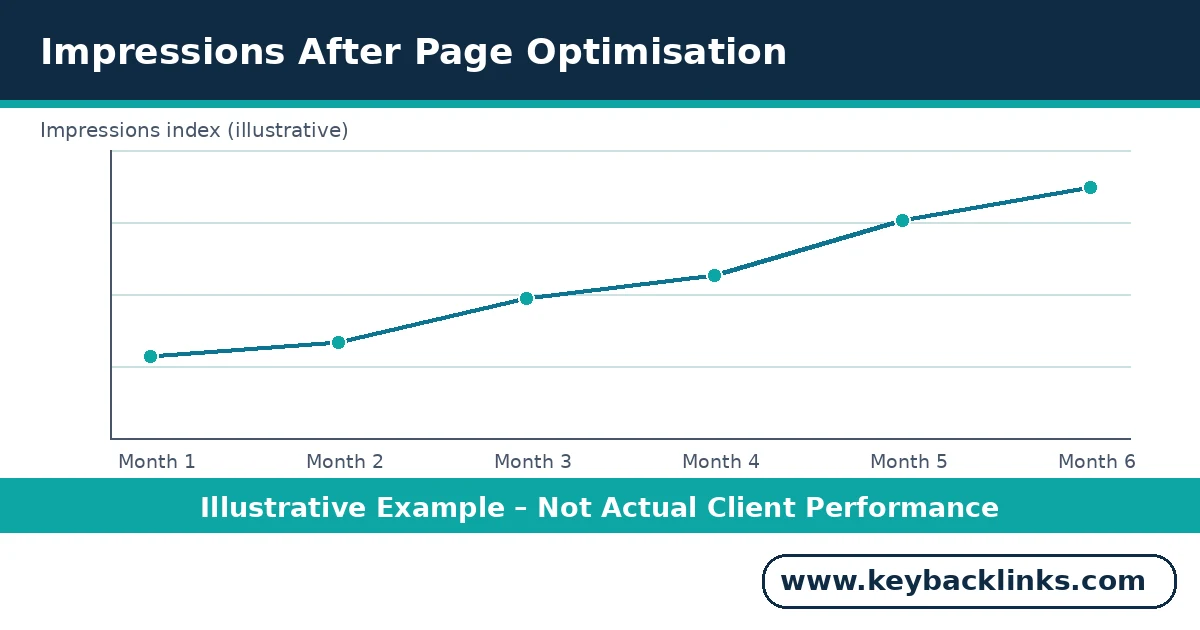
One distinction matters here. Search Console shows your real Google performance data, drawn from actual searches on your site. Third-party tools instead show estimates built from their own samples and models. Estimates help with research and competitor views, but only Search Console reports what Google actually recorded for your site.
If the report reveals wider problems, a structured review helps you fix causes rather than symptoms. Our website SEO audit service checks the technical and content issues that hold pages back. Fix those issues first, and your optimized pages compete on a level field.
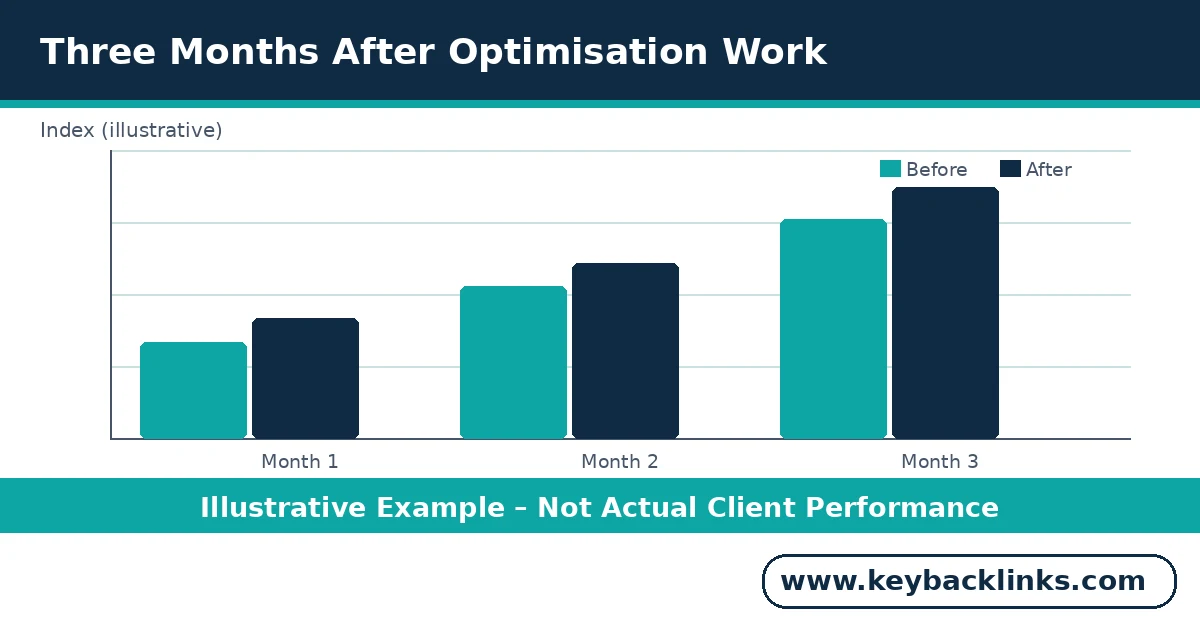
Therefore, judge the work by the Console trend across several weeks. Positions move daily, so a single day proves nothing. A steady rise in impressions and clicks for the target page is the honest signal that the work is landing.
How Content Optimization and Backlinks Work Together
Keyword optimization and backlinks strengthen each other. An optimized page gives other sites a clear, useful page to link to, and it converts the visitors those links send. Meanwhile, quality backlinks raise the authority of the page, so its careful wording can compete for stronger positions.
The reverse also holds true. A weak page wastes good links, because visitors arrive and leave without acting. So fix the page first, then earn links to it. Our link building strategies guide explains how ethical outreach earns those links over time.
If you want a second view on your pages, our team can help. KeyBacklinks provides link building, guest posting, and niche edits for sites that need authority support. Request a backlink consultation, and we will review your goals before suggesting any work.
Keyword Optimization Checklist
Use this checklist before you publish a new page or refresh an old one.
1. Research the phrases your customers actually use, and confirm the intent behind each one.
2. Assign one primary keyword to one page, and record it in your keyword map.
3. Place the primary keyword in the title, the opening paragraph, and one or two subheadings.
4. Add secondary and semantic terms where they fit the sentence naturally.
5. Write a meta description that invites the click without overpromising.
6. Cover the subtopics a searcher expects, each in its own short section.
7. Check for stuffing, cannibalising pages, and thin sections before you publish.
8. Measure clicks, impressions, and position in Search Console after the change.
Frequently Asked Questions
How long does keyword optimization take to work?
Nobody can promise an exact timeline, because competition and site history differ. In practice, small sites often see impression changes within a few weeks of a refresh. Judge the change over a full month of Search Console data before you decide.
How many keywords should one page target?
Target one primary keyword per page, then support it with secondary and semantic terms. A focused page answers one intent clearly. Several focused pages beat one crowded page that tries to rank for everything.
Is keyword optimization the same as keyword stuffing?
No. Optimization places terms where they help readers and search engines understand the page. Stuffing repeats terms past the point of usefulness, and Google treats that repetition as spam. The difference shows clearly when you read the page aloud.
Can I optimize a page without changing its URL?
Yes. Titles, headings, copy, and internal links all sit inside the page, so the address stays the same. Keep the URL stable unless it is broken or misleading, because stable addresses protect the links and history the page already earned.
Conclusion
Keyword optimization works when research, intent, and honest writing pull in the same direction. First, map one primary keyword to each page. Next, place it naturally, cover the topic fully, and keep the text clean of stuffing. Finally, measure the result in Search Console and let real data guide the next round.
Above all, treat each page as an answer someone needs. Pages built that way earn clicks, links, and trust together, and those gains last longer than any shortcut.