

A professional backlink service earns links to your website from other relevant sites. The team researches target sites, creates or places content, and secures links that fit naturally. In return, you gain links without building an outreach team in house.
However, not every provider works the same way. Some focus on quality and careful placement. Others chase volume and leave you with risky links. This guide explains how the process works, how to judge link quality, and what to check before you hire anyone.
First, one point of scope. This article covers backlink services as one complete process, from research to reporting. Our wider link building services guide compares link building with other growth work in more detail.
How Backlinks Work and Why Referring Domains Matter
A backlink is a link on another website that points to one of your pages. Search engines follow these links as they crawl the web. Each link also works like a small vote of confidence in your page.
Referring domains are the separate websites that link to you. This number matters more than the raw link count. For example, fifty links from one weak site carry less weight than five links from five strong, relevant sites.
Also, the target page matters. A link to a helpful guide can lift that guide and the pages it supports. Therefore, providers plan links page by page, not just domain by domain.
Context shapes the value of each link as well. A link inside a detailed guide on your topic sends a clearer signal than a link on a general links page. Search engines read the words around the link, the page it sits on and the site behind it.
Above all, a good campaign grows the number of quality referring domains over time. It spreads links across the pages that matter most to your business. Each new domain should add real relevance, not just another number.
Backlink Acquisition Strategies a Backlink Service May Use
A professional backlink service usually mixes several strategies, because no single method fits every site. The right mix depends on your niche, your content and your current link profile. Next, here are the methods you will meet most often.
Editorial Links and Digital PR
Editorial links are links that editors choose to add inside stories, guides and news coverage. Digital PR earns them with newsworthy content, such as original research, expert commentary or useful data. These links are hard to win. However, they often carry the strongest trust.
Guest Posting
Guest posting means writing an article for another site in your niche. The article helps that site’s readers, and it carries a link back to you. A careful provider checks the host site first and writes content its audience actually wants.
Niche Edits
A niche edit places your link inside an existing article on a relevant site. The link joins content that already ranks and already has readers. Therefore, placement and fit matter more here than the age of the page alone.
Resource Pages
Resource pages collect helpful links around one topic. If your page genuinely helps that audience, the editor may add it to the list. In short, your content must earn its place on merit.
Each method also has honest limits. Editorial links take time and cannot be ordered to a fixed schedule. Guest posts and niche edits depend on site owners saying yes. Therefore, a realistic plan mixes methods and sets expectations in months, not days.
Editorial Links vs Contextual Links
These two terms overlap, so it helps to separate them. An editorial link is defined by who chose it: an editor added it because it helps readers. A contextual link is defined by where it sits: inside the main body text, surrounded by relevant words.
The strongest links are usually both editorial and contextual. They sit inside useful content, and a human chose them on merit. In contrast, links in footers, sidebars or comment sections carry far less weight.
How to Judge a Backlink Service by Link Quality
Link quality decides whether a campaign helps or harms you. A single strong link can beat a bundle of weak ones. Our backlink quality metrics guide lists the checks in detail. However, five checks cover most of what matters.
First, check topical fit: the linking site should cover subjects close to yours. Next, check the audience: real readers and real traffic matter more than any score. Then check editorial standards: strong sites reject weak content and publish with care.
Also, look at placement and anchor text. The link should sit inside relevant body text, not in a footer or a link list. Its anchor text should read naturally, like a brand name or a plain description. Finally, judge the pattern, not one link: steady, relevant growth looks natural to everyone.
You can also check a shortlist yourself in minutes. Open two or three sample pages and read them like a customer. If the content reads well and the link feels natural, the provider likely works with care.
Spammy Practices a Backlink Service Must Never Use
Some methods promise fast links and deliver lasting damage instead. Google treats buying links that pass ranking value as link spam, and its spam policies set out the rules in full. Any paid placement must carry rel=”sponsored” or rel=”nofollow”, so the link does not pass ranking credit.
Avoid providers who offer private blog networks, often called PBNs. Also avoid automated link blasts, comment spam and forum profile schemes. Exact match anchor campaigns belong on the same list, because hundreds of identical keyword anchors look planned, not earned. Search engines can also ignore such links entirely, so the money buys risk and nothing else.
In short, if a method needs to stay hidden, it is not a quality method. A clean provider explains every step in plain language before you pay.
What to Check Before You Hire a Backlink Service
Before you sign anything, run the provider against a simple checklist. The table below turns the advice in this guide into direct checks. A good provider passes them calmly, because its process already works this way.
How to Measure a Backlink Service Campaign
Measurement starts before the first link lands. Record your referring domains, your target pages and your Search Console baseline first. Then you can see real change later, instead of guessing from memory.
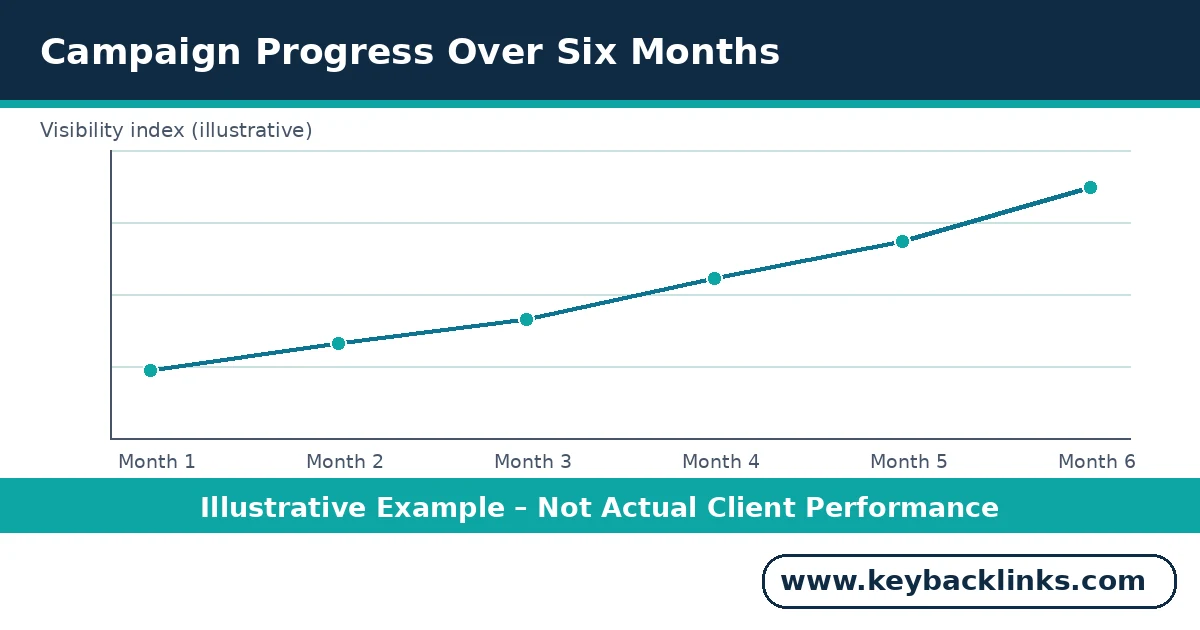
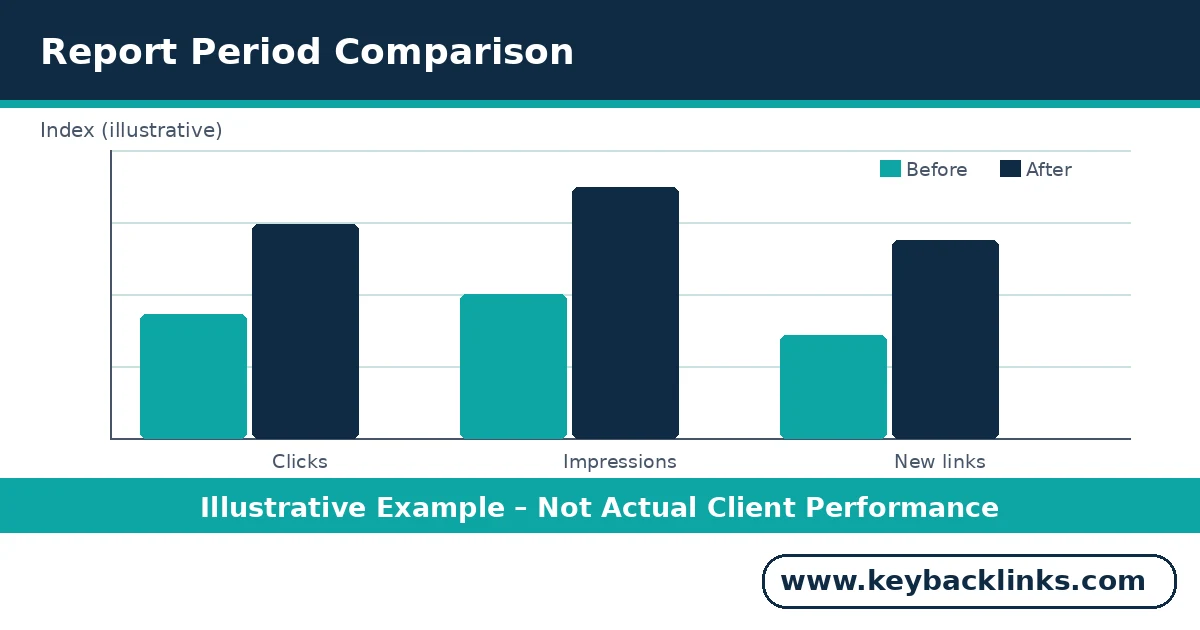
Next, track three things each month. First, count new referring domains, and check their relevance one by one. Then watch your target pages for movement in impressions and clicks. Finally, note which pages gain links, because links to the wrong page waste the effort.
However, rankings move for many reasons besides links. Therefore, judge a campaign over months, not days, and always beside your wider SEO work.
Tie the numbers back to business pages as well. Links that lift a services page or a strong guide support revenue, not just charts. Therefore, review link growth beside enquiries and sales signals each quarter.
What a Transparent Report Should Contain
A transparent report shows the work, not just a rising chart. Each new link should appear with its live URL, its anchor text and its target page. The report should also list placement dates and the sites that were checked.
The report should also separate new links from lost ones. A lost link is not a disaster, but it deserves a note and a plan.
Example: a good report line reads, “Guest post published on 12 March, anchor: your brand name, target: your services page, status: live and indexed.” A weak line reads only, “Links built this month: 20.”
Also, the report should end with honest next steps. It should name problems it found, such as lost links or weak pages. Above all, it should never dress up estimates as exact results.
Our Backlink Services at KeyBacklinks
At KeyBacklinks, our services cover guest posting, niche edits and editorial link building. Each campaign starts with research into your niche, your competitors and your current link profile. Then we shortlist relevant sites and check each one for real audience and editorial standards.
Next, content and placement follow the checks in this guide. We place links inside relevant content, with natural anchors and correct labelling where a placement is paid. You also get one clear point of contact for questions and updates. Therefore, you always know what is happening with your campaign. We also flag problems early, such as a weak target page, instead of hiding them.
Finally, reporting stays plain and complete. You receive live URLs, anchor text, target pages and dates for every placement. If you want a plan built this way, request a backlink strategy consultation and tell us about your site and your goals.
Frequently Asked Questions
What does a backlink service actually do?
It researches relevant sites, creates or places content, and secures links that point to your pages. It also tracks each placement and reports live URLs back to you. In short, it does the outreach and quality control that most teams lack time for.
How long before backlinks show results?
New links need time to be crawled, indexed and weighed by search engines. Most campaigns judge progress over several months, using referring domains and Search Console trends. Anyone who promises a fixed date is guessing, so treat such promises with care.
Are paid backlinks always against the rules?
Paying for a placement is not the problem by itself. The problem is passing ranking value without labelling the link. Paid links must carry rel=”sponsored” or rel=”nofollow”, and honest providers follow that rule openly.
Can I build backlinks without a service?
Yes, if you have time, content and outreach skills in house. Many businesses still hire help because research, writing and follow up take steady weekly effort. The right choice depends on your team’s capacity, not on pressure from any provider.
Conclusion
A good backlink service earns relevant links through research, careful placement and honest reporting. It grows your referring domains with sites your audience actually reads. Above all, it never hides its methods or promises rankings it cannot control.
Use the checklist in this guide before you hire anyone. Check quality first, demand transparent reports, and judge progress over months. Then your links become a lasting asset instead of a recurring worry.